
A notable part of the Niulai conversation was the idea that some audiences went to the cinema not only for the film's story but also to participate in a shared offline event.
Online memes, check-ins and joke-sharing can turn a screening into a social gathering. In this framing, the theater becomes a place where an internet topic is experienced together rather than simply consumed alone.
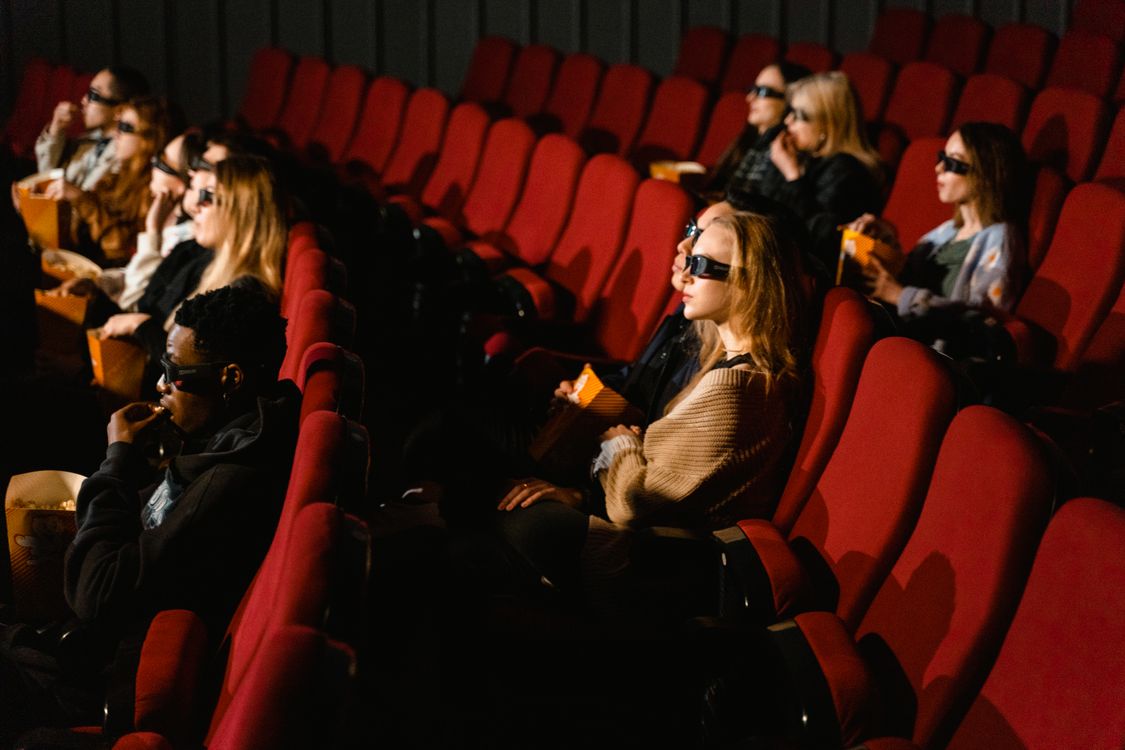
This is a recognizable pattern in contemporary viral culture: online attention can move people into real-world activities, especially when a shared reference gives strangers something immediate to discuss.
The scale and form of that behavior vary by location and time. It should be described as a documented audience pattern, not a universal explanation for why people watched the film.
What the reporting establishes
BBC’s August 19 report described full screenings, handmade audience items and post-screening conversation after the film’s online rise. That is evidence of a documented group-viewing moment, rather than proof that every ticket buyer or every cinema had the same experience.
The distinction matters because a viral film can create several overlapping reasons to attend: curiosity, social participation, support for creators, amusement or interest in the story. The shared-viewing lens explains one reported pattern and leaves room for those different motivations.
How to read this topic
A group-viewing page should not confuse online visibility with a single universal audience motive. Some people may attend because they are curious about the memes, others because they want to support independent work, and others because the story itself interests them. Reported theatrical events show that shared participation happened; they do not turn every attendee into the same kind of participant.
The most useful way to read the phenomenon is as a bridge between platform culture and a physical venue. A comment or clip can establish a common reference before strangers meet in a cinema. That observation explains the social dimension while still respecting the many personal reasons someone may choose to watch a film.
Sources & method
Published reporting consulted for the factual context of this page. Links open in a new tab; dates refer to the source publication date.
- BBC News 中文 — 《牛來》為何爆紅? ↗ (2026-08-19)
- NBC News / AP — A Chinese animated film mocked as ‘terrible’ becomes a box-office hit ↗ (2026-08-18)
Read the site-wide Sources & Method note for selection, updates and corrections.
EDITORIAL NOTE
Editorial method: this independent explainer separates reported facts from editorial interpretation. Figures, production details and public reactions are tied to dated reporting below and should be read in their reporting context.